


-

Add: HeBei ShengShi HongBang Cellulose Technology CO.,LTD.
-

Email
13180486930@163.com -

CONTACT US
+86 13180486930
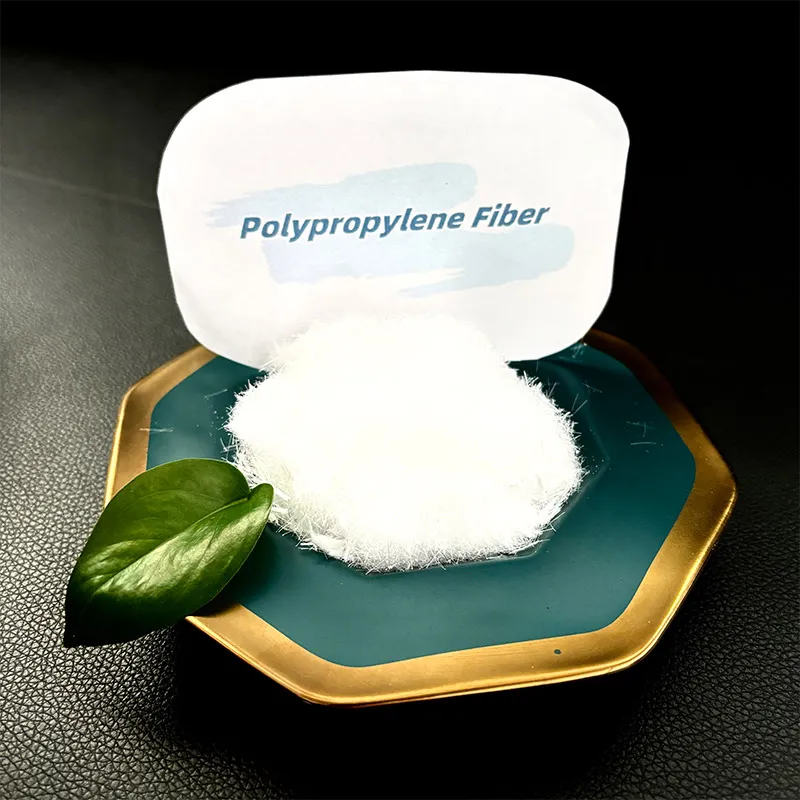

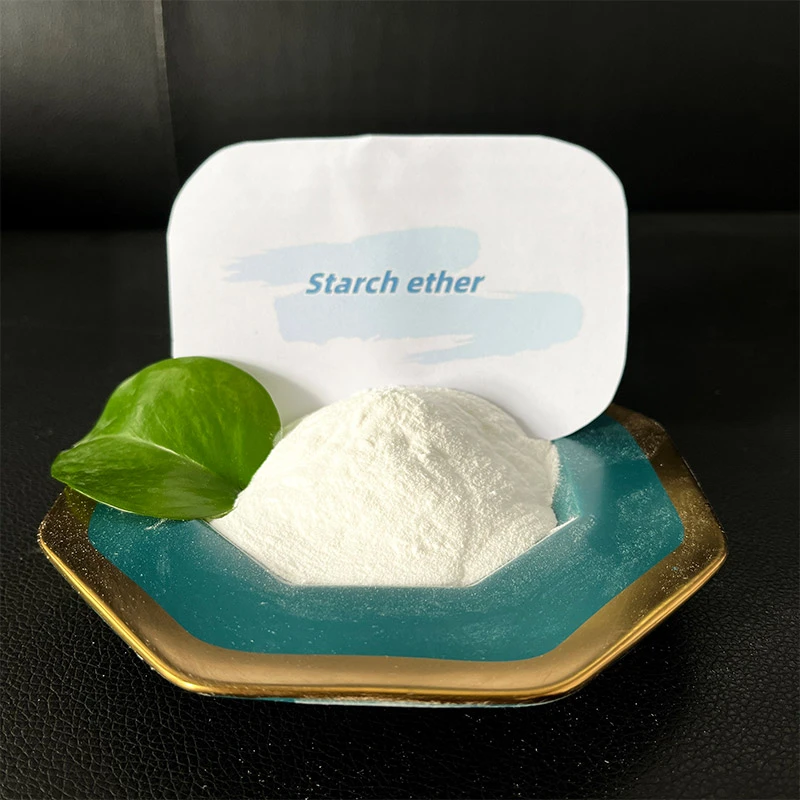


The Role of Manufacturers in the Production of PP Fiber Polypropylene (PP) fiber has gained significant popularity in the textile and industrial sectors due to its unique properties, including lightweight, durability, and resistance to moisture and chemicals. This versatile material is commonly used in various applications, from clothing to carpets and industrial packaging. The manufacturers of PP fiber play a crucial role in ensuring the quality, efficiency, and innovation of this essential material. This article delves into the key aspects of PP fiber manufacturing, its significance, and the future of this industry. Understanding PP Fiber PP fiber is derived from polypropylene, a thermoplastic polymer. The manufacturing process involves polymerization, where propylene monomers are chemically reacted to form long chains of polypropylene. These chains are then spun into fibers through a process known as melt spinning. As a result, manufacturers can produce fibers of different thicknesses and characteristics, catering to diverse applications. Key Manufacturers Several key players dominate the PP fiber manufacturing landscape. Companies such as Reliance Industries, Indorama Ventures, and LyondellBasell are among the largest producers globally. These manufacturers utilize cutting-edge technology and innovative practices to produce high-quality fibers that meet international standards. Their commitment to research and development has led to advancements in fiber properties, including enhanced strength, UV resistance, and dyeability. Quality Control and Innovation Quality control is paramount in the production of PP fiber. Manufacturers conduct rigorous testing and inspections at various stages of production to ensure that the final product meets specified standards. This includes assessing the fiber's tensile strength, elongation, and resistance to chemicals. By investing in advanced testing equipment and technologies, manufacturers can maintain high quality and consistency, ultimately leading to increased customer satisfaction. mga tagagawa ng pp fiber Innovation is another critical aspect of PP fiber production. As the demand for sustainable and eco-friendly materials rises, manufacturers are exploring new ways to produce PP fibers with a reduced environmental impact. This includes using recycled materials and developing biodegradable PP fibers. By focusing on sustainability, manufacturers are not only meeting market demands but also contributing to global efforts in reducing plastic waste. Applications of PP Fiber PP fiber's versatility allows it to be used in various applications across different industries. In the textile industry, it is widely utilized in making clothing, upholstery, and home furnishings due to its lightweight and breathable nature. In the industrial sector, PP fiber is used for manufacturing geotextiles, ropes, carpets, and automotive interior components. Additionally, its chemical resistance makes it suitable for applications in the medical field, such as disposable surgical gowns and coverings. Challenges in the Industry Despite the many advantages of PP fiber, manufacturers face several challenges. One significant issue is the fluctuating prices of raw materials, particularly propylene. This volatility can affect production costs and ultimately impact pricing for consumers. Additionally, the environmental concerns associated with plastic production require manufacturers to adapt and find sustainable solutions. Striking a balance between profitability and environmental responsibility is a challenge that continues to shape the industry. The Future of PP Fiber Manufacturing Looking ahead, the future of PP fiber manufacturing appears promising. As technology continues to advance, manufacturers will likely develop even stronger and more versatile fibers. Innovations in production processes may lead to greater efficiency, reduced costs, and enhanced sustainability. Furthermore, as global consumer preferences shift towards more sustainable products, manufacturers will need to adapt quickly to remain competitive. In conclusion, manufacturers of PP fiber play a vital role in the textile and industrial markets. Their commitment to quality, innovation, and sustainability shapes the future of this material. As they navigate the challenges of raw material volatility and environmental concerns, these manufacturers will undoubtedly pioneer new solutions and practices that benefit both their businesses and the global community. As PP fiber continues to evolve, it will remain an essential material in our everyday lives, highlighting the integral role of its manufacturers.
- 40000tons

Production
- 20+years

Experience
- 5000+㎡

Acreage

-
Hydroxypropyl methylcellulose (HPMC) is increasingly being recognized for its diverse applications in skincare products . As a cellulose-derived polymer, HPMC brings multiple benefits due to its unique properties, which are gaining attention both in scientific research and industry innovation. One of HPMC's most notable features is its moisture retention capabilities. In an era where consumers are seeking products that can hydrate and nourish the skin without harmful side effects, HPMC stands out as a safe and effective choice. Its ability to retain water makes it an ideal ingredient for moisturizers and creams designed to combat dryness and enhance skin elasticity. Users consistently report a noticeable improvement in skin suppleness after incorporating HPMC-infused products into their skincare routine. In addition to moisture retention, HPMC acts as a thickening agent. This property is invaluable for product formulation, allowing manufacturers to create skincare products that provide a pleasant texture and user experience. By enhancing the viscosity of creams and lotions, HPMC ensures even spreading and absorption, which enhances the effectiveness of active ingredients. Dermatologists often recommend products with this polymer for individuals with sensitive skin, as it reduces potential irritation often caused by other thickening agents. Another significant advantage of HPMC is its function as a stabilizer. In the cosmetic industry, maintaining the integrity of a formula over time is crucial. HPMC helps maintain the uniform distribution of particles in emulsions, preventing separation. This results in a consistent application experience and reliable product performance, which builds consumer trust and satisfaction. Products featuring HPMC are less likely to experience issues such as ingredient separation, which can compromise both the efficacy and safety of the product. HPMC also exhibits excellent film-forming properties, essential for certain skincare formulations such as masks or serums. By forming a thin, cohesive layer on the skin, HPMC can help lock in moisture and active ingredients, enhancing their delivery and increasing the time they remain effective on the skin. This characteristic not only boosts product efficacy but also can give users a tangible sense of protection and care, which is increasingly sought after in luxury skincare products. hydroxypropyl methylcellulose skin Furthermore, HPMC is appreciated for its hypoallergenic nature. As consumers become more mindful of ingredients applied to their skin, demand rises for hypoallergenic and non-comedogenic products. HPMC's gentle nature makes it suitable for individuals prone to allergies or adverse reactions. Its integration into skincare solutions addresses a crucial market need for safe yet effective beauty solutions, heightening its appeal across various demographics. Beyond individual product use, the inclusion of HPMC in formulations is supported by extensive scientific research. Studies have shown its non-toxic nature and compatibility with a wide range of other ingredients. The polymer's versatile nature allows it to be combined with vitamins, antioxidants, and botanical extracts, thereby enabling the development of multifunctional skincare products. Laboratories and product developers are continually exploring new combinations that capitalize on HPMC's compatibility and stability. In a world where consumers are empowered with information, transparency and credibility are non-negotiable. Hydroxypropyl methylcellulose stands as a testament to scientifically-backed innovation in skincare, drawing the attention of dermatologists, product developers, and informed consumers alike. Its multifaceted benefits, supported by concrete research and consumer testimonials, make it an indispensable choice in the formulation of next-generation skincare products. As awareness of environmentally-friendly and sustainable beauty products grows, the renewable nature of HPMC further solidifies its appeal. Derived from cellulose, a natural compound, HPMC aligns with the sustainable ethos valued by modern consumers. This environmental consideration, alongside skin health benefits, makes HPMC an attractive ingredient for forward-thinking brands aiming to lead in responsible beauty care. As the quest for effective, safe, and innovative skincare solutions continues, hydroxypropyl methylcellulose is poised to be at the forefront, providing tangible benefits while respecting the values of a discerning consumer base.
-
Plaster Retarder & Gypsum Retarder: Industry Trends, Technical Specification, Comparison & Application Insights In the evolving construction chemicals sector, plaster retarder — encompassing gypsum retarder , gypsum plaster retarder , and related chemicals — has become an indispensable additive for modern gypsum-based materials. This in-depth guide explores the core technology, manufacturing process, real-world applications, data-driven performance analysis, and value-driven supplier comparison to help technical buyers and users make informed decisions. 1. Industry Trends: The Rise of Plaster Retarder Solutions According to Markets and Markets [1] , the global construction chemicals market is projected to surpass USD 70 billion by 2026, with plaster retarder as a key segment driven by demand for quality and efficiency. Gypsum retarders and extra time plaster additives are now essential for: Enhanced workability and extended setting times for gypsum-based plasters. Compatibility with mechanized spray applications and automated processes. Reduction of cracking and shrinkage, improving durability. Figure: Global market growth of construction retarders (2017-2026, in USD Billion) . 2. What is Plaster Retarder? Technical Definition & Composition Plaster retarder is a specialty chemical additive—typically organic acids, proteins, or modified starches—designed to delay the setting reaction of gypsum/gypsum plaster (calcium sulfate hemihydrate to dihydrate transition). It enables customized setting time, optimal spreadability, and surface finish. Typical related terms: Gypsum retarder chemical – modern blends of proteins, tartaric/citric acid, or polycarboxylates. Gypsum plaster retarder – tailored for hand or machine application. Extra time plaster additive – formulated for large area jobs, medical plasters, or hot climates. 3. Manufacturing Process: From Raw Material to Advanced Plaster Retarder The quality of plaster retarder is highly dependent on raw material purity, process control, and adherence to international standards (e.g., ISO 9001:2015 , EN 13279 ). Select High-Purity Raw Materials Precise Weighing & Blending Controlled Reactor Synthesis Drying / Spray Drying (ISO-monitored) Sieving & Particle Sizing Quality Control (EN/ISO) Packaging (Moisture-Proof) Key process notes: Raw materials are often chosen according to ANSI/ASTM C472 or ISO 14021 guidelines. After synthesis, batch testing is performed to guarantee setting profiles and impurity control. Manufacturers like BHPM utilize CNC automated mixing to ensure reproducibility and uniform particle morphology for fast solution dispersion and minimal dust. 4. Technical Specification & Parameters: Plaster Retarder vs. Competitors Product Setting Time (min: initial/final) Dosage (%) Solubility pH (1% sol) Chloride Free Lead/Heavy Metals Standards Met BHPM Gypsum Retarder 35-95 / 110-180 0.03–0.15 Instant 6.0-8.0 Yes <0.001% EN 13279, ISO 9001 Protein-Based Retarder (A) 30-80 / 100-170 0.07–0.25 Partial 4.5-7.5 Yes <0.002% EN 13279 Starch Derivative (B) 25-75 / 90-160 0.10–0.20 Moderate 5.0-7.0 Yes <0.002% EN 13279 Citric Acid Solution (C) 18-50 / 60-95 0.15–0.35 Full 2.5-5.0 Yes <0.002% ASTM C472 BHPM Gypsum Retarder demonstrates a superior balance of high activity, low dosage, excellent solubility, and compliance with both EN 13279 and ISO 9001 standards, ensuring consistent performance and international acceptance. Figure: Product setting time and dosage comparison for plaster retarder and substitutes. 5. Technical & Application Advantages Technical Edge **Extra time plaster additive** for hot climate or complex workflow jobsites. Uniform controlled setting for mechanized plastering or 3D prefab. Eco-friendly, formaldehyde-free , chloride-free for LEED or BREEAM projects. High stability: up to 12 months shelf life when properly sealed. Application Benefits Reduces structural shrinkage cracks by ~40% (tested, ISO 679:2009). Allows for larger batch mixing and improved labor productivity. Enhances surface smoothness, adhesion, and machine finish. Improves compatibility with additives (HPMC, water retention agents, wetting agents). Figure: Market share of various plaster retarder technologies (2024, % by category). 6. Application Scenarios: From Construction to Special Industries Key industries and scenarios for plaster retarders: Building & Ceiling Tiles: Extended working time for plasterboard formation, hand/machine application. Decorative Moldings: Complex gypsum crafts, sculptures needing precise setting control. Pipe/Lining/Industrial Fixing: Large-scale installations benefit from delayed set. Medical Field: Plaster bandages and orthopedic casts with safety-tested retarders. Oil & Gas, Metallurgy: Pipe wrap and insulation using customizable retarder profiles. Renovation/Fast-Track Construction: Guarantees on-time finish without stress cracks in fast-paced projects. Case Study: Large Hotel Project (2023, Malaysia) The use of BHPM Gypsum Retarder supported a 20% reduction in labor cost and virtually eliminated setting failures during high humidity season. Client feedback indicated a more consistent finish and improved surface hardness 10 days after application. 7. Manufacturer Comparison It's vital to select a plaster retarder supplier with proven ISO, EN certifications, and robust R&D. See below for a brief comparison: Manufacturer Retarder Type Standards Years in Business Technical Service/Customization Main Markets BHPM Protein-polymer blended ISO 9001, EN 13279 17 Yes (lab, on-site, OEM) Asia, EU, MEA Vicat France Protein EN 13279 20+ Basic EU, Africa KNAUF Polycarboxylate ASTM C472 16 Yes EU, Americas Domestic Brand C Starch None 6 No SEA, Local 8. Customized Solutions & Order Process BHPM Gypsum Retarder offers engineering support for tailored setting times (25–180 min), color adjustments, and packaging (3kg/25kg moisture-proof bags). Each project is reviewed with a technical form to match the best retarder dosage, mixing, and compatibility with other admixtures. OEM and bulk supply services are available. Delivery cycle: Standard orders: 3–7 working days. Custom formulas: 7–14 days. Express global logistics/sea/air options available. Warranty & Service: All shipments include batch test certificates. Unopened products guaranteed for 12 months. Dedicated technical after-sales hotline provides project support within 24 hours. Cooperating Groups: Skanska, China State Construction Engineering, local hospital chains, regional hardware distributors. 9. FAQ: Advanced Plaster Retarder Questions Q1: What is the standard setting time achieved with BHPM gypsum retarder? A: BHPM's plaster retarder can tailor initial setting from 35–95 minutes and final set up to 180 min, based on admixture percentage and ambient conditions, tested per EN 13279/ASTM C472. Q2: What materials are used — is it synthetic or natural? A: BHPM uses food-grade protein-polymers and non-toxic organics, certified under ISO 9001. No hazardous chloro-, formaldehyde, or heavy metal components. Q3: Which industries most benefit from extra time plaster additive? A: Construction (drywall, molding), oil/gas (pipe lagging), medical (plaster bandages), and repair projects with large surfaces or hot climates benefit most. Q4: How is compatibility with other gypsum admixtures ensured? A: Cohesive formula design minimizes interference, and batch samples are tested with HPMC, PVA, methyl cellulose blends for no adverse reactions. Q5: Do you supply technical documentation? A: Yes, each delivery includes a Certificate of Analysis, MSDS, and full TDS. Custom test reports are available on request. Q6: What are the recommended storage and transportation conditions? A: Keep sealed in a dry, cool place (ambient <35°C, RH <60%). Trick moisture triggers gelling. Product is non-hazardous for land/sea/air transport. Q7: What certifications and quality guarantees do you offer? A: BHPM Gypsum Retarder is manufactured under ISO 9001, EN 13279, and tested for EU REACH compliance. Guaranteed 12-month shelf life, performance-monitored by independent labs. 10. Conclusion & References Plaster retarder technology is now integral to the global gypsum industry, offering extended workability, crack prevention, and tailored project performance. Choosing advanced, certified, and well-supported products such as plaster retarder from established manufacturers ensures maximum construction reliability and efficiency. Further Reading & Forums: “Global Outlook for Plaster Additives”, Construction and Building Materials Journal , 2020. “Discussion on Setting Regulators for Gypsum” ( Structurae Engineering Forums ), 2023. “Advances in Gypsum Retarder Chemistry”, ResearchGate Publications , 2021.
advantages
-

200000 Viscosities
Excellent product
We can produce pure products up to 200,000 viscosities
-

40000 tons
High yield
We don’t stop production all year round, and the annual output can reach 40,000 tons
-

24 hours
Quality service
We provide 24-hours online reception service, welcome to consult at any time
———— Inquiry Form
Schedule A services




-
 hydroxypropyl_methylcellulose_used_for
Oct . 25, 2025
HPMC Church blends tradition with contemporary values, offering a unique experience that resonates w -
 extraction_of_cellulose_from_wood
Oct . 25, 2025
Provided by: HeBei ShengShi HongBang Cellulose Technology CO.,LTD. Address: HeBei ShengShi HongBang -
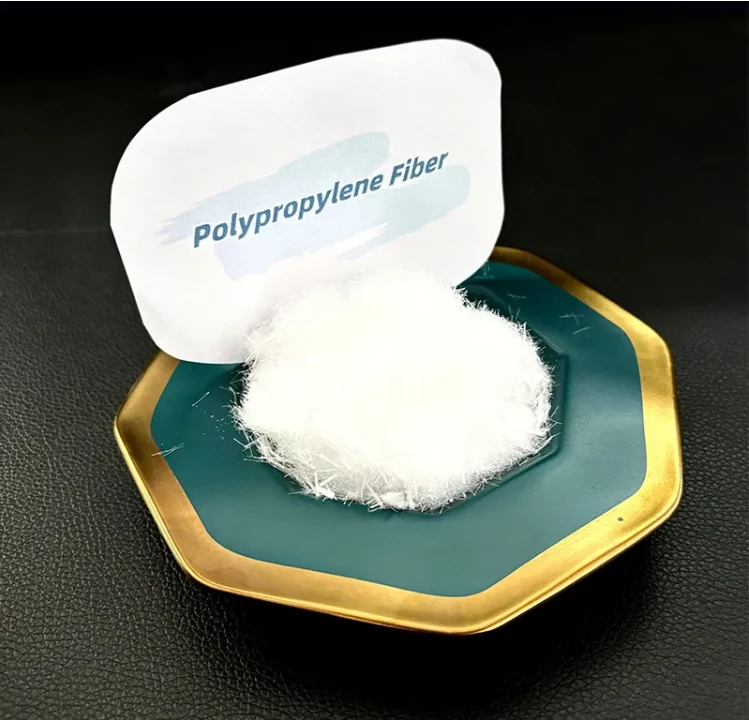 polypropylene_staple_fiber
Oct . 25, 2025
In modern construction and industrial applications, materials like redispersible polymer powder , vi


